Hoeing Ain’t Easy SVG: A Graphic Design Asset for Crafts
First Impressions and Visual Mood
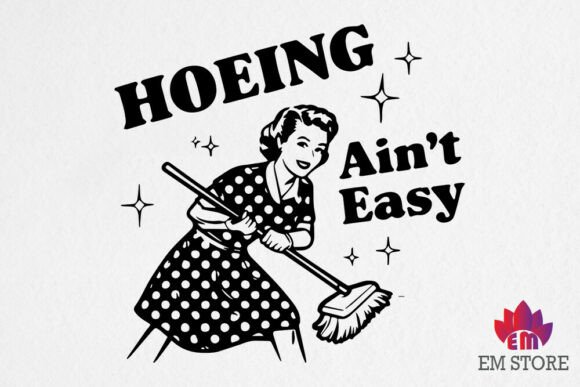
The first time I saw Hoeing Ain’t Easy SVG, I was struck by its simplicity and strong visual presence. The design feels grounded in a rustic, earthy aesthetic that suggests manual labor and connection to nature. It’s not overly detailed, which makes it versatile for a range of applications. The lines are clean, the shapes are bold, and the overall mood is one of resilience and effort—perfect for a brand or project that wants to convey authenticity and hands-on craftsmanship.
Fitting Into Brand Identity and Marketing Visuals
As a designer working on branding for a small handmade business, I found this asset incredibly useful. It could easily support a brand identity that emphasizes natural materials, sustainability, and artisanal processes. Whether used as a logo element, a decorative accent, or part of a campaign theme, Hoeing Ain’t Easy SVG adds character without overwhelming the design.
The versatility of this graphic design asset shines through when considering how it can be integrated into various marketing visuals. From social media graphics to Canva templates, it offers a consistent visual language that can help build brand recognition. Its strong silhouette makes it ideal for use in product mockups, especially for items like mugs, tote bags, and t-shirts.
Performance in Real Design Situations
Hoeing Ain’t Easy SVG performs well in a variety of real-world design scenarios. For example, in packaging design, it can serve as a subtle yet impactful detail on labels or boxes. When placed on a hero graphic for an Etsy shop or print-on-demand product, it helps create a cohesive visual story that aligns with the brand’s values.
In editorial design, it works well as a background element or decorative border. Its ability to scale without losing quality makes it a great choice for digital ads, Pinterest pins, and Instagram posts. It also lends itself well to Cricut projects and sticker designs, offering a tactile feel that resonates with crafters and DIY enthusiasts.
Where It Works Best
This design asset excels in large layout areas where it can make a strong visual statement. It’s perfect for hero graphics, product mockups, and themed collections. When used as a decorative accent, it adds a touch of personality without overshadowing other elements in the design.
It also works well in campaign visuals and packaging details. For instance, using it as a background pattern on a printable wall art piece or as a repeating element in a seasonal collection can enhance the overall aesthetic while maintaining visual balance.
Where to Use With Caution
However, there are situations where Hoeing Ain’t Easy SVG might not be the best fit. At smaller sizes, the design can become less legible, so it should be tested in both black and white and on light and dark backgrounds. In crowded layouts, it may compete with other elements, making it harder to maintain a clear visual hierarchy.
For minimalist branding or professional corporate materials, this design might feel too rustic or informal. It’s important to consider the target audience and ensure that the asset complements rather than clashes with the overall brand tone.
Impact on Readability and Brand Consistency
The readability of Hoeing Ain’t Easy SVG depends heavily on its placement and surrounding elements. When used as a standalone graphic, it maintains strong visual appeal. However, when integrated into a larger design, it should be paired with complementary typography to ensure clarity and consistency.
Brand consistency is key when using any design asset. Hoeing Ain’t Easy SVG can be a powerful tool for reinforcing a brand’s visual identity, especially for a handmade business or creative marketplace. It supports emotional appeal by evoking feelings of effort, tradition, and authenticity.
Designer Notes and Practical Checks
Before using Hoeing Ain’t Easy SVG commercially, there are several practical checks to consider. First, test it in black and white to ensure it still holds up in monochrome contexts. Preview it at different sizes to confirm it remains legible and visually appealing.
Place it on real mockups to see how it interacts with other design elements. Check the file formats included in the zip file—EPS, SVG, PNG, and DXF—to ensure they meet your project requirements. If you plan to edit the vector file, verify that the SVG format is editable and compatible with your design software.
Inspect the PNG transparency to ensure it works well with layered designs. Compare it with different font styles—serif, sans serif, script, and display—to find the best pairing for your project. Lastly, confirm that the commercial license allows for use in client projects and ensures legal compliance.
Conclusion
Hoeing Ain’t Easy SVG is a valuable graphic design asset that offers a unique blend of simplicity and strength. It fits naturally into crafts and graphics, supporting a wide range of design applications from branding to social media graphics. As a designer, I would recommend it for projects that value authenticity, creativity, and a personal touch. With careful consideration and proper implementation, it can elevate any design project and contribute to a cohesive, visually compelling brand identity.